
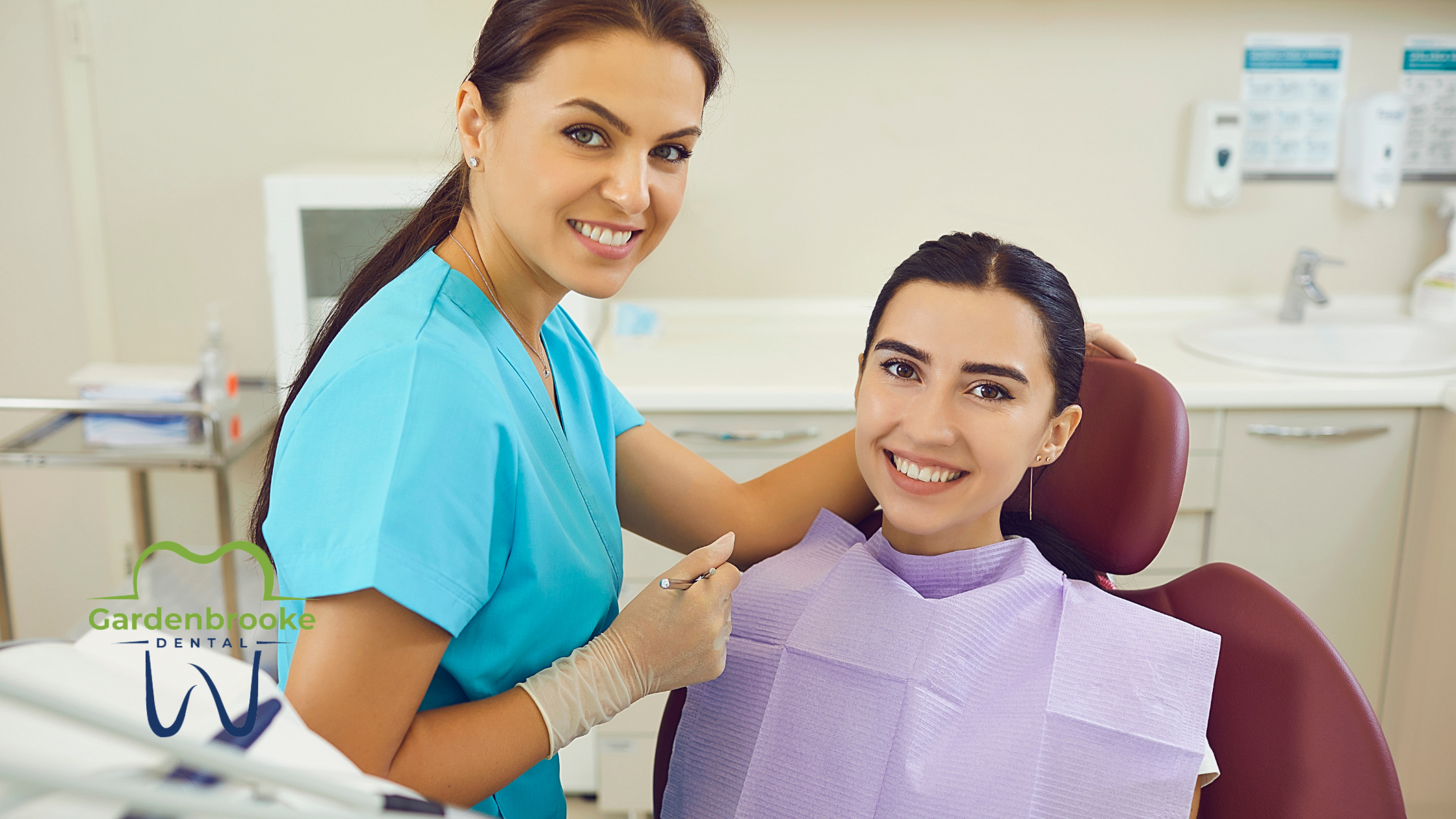
Care for your teeth is crucial for maintaining their health and longevity. By incorporating preventive care practices like regular dental check-ups and proper oral hygiene, you can significantly reduce the risk of serious dental issues that lead to tooth loss.
Early detection of problems such as cavities and gum disease allows for effective treatment before these issues escalate. Investing in preventive care saves you money in the long run, preserves your smile, and boosts your overall health.
Key Takeaways:
- Regular Check-ups: Routine dental visits help identify early signs of issues that can lead to tooth loss.
- Effective Cleanings: Professional cleanings remove plaque and tartar, reducing the risk of gum disease, a leading cause of tooth loss.
- Personalized Care Plans: Preventive care includes tailored strategies that address individual risk factors, promoting long-term dental health.
Understanding Tooth Loss
Before beginning preventive care, it’s vital to understand tooth loss and its implications. Tooth loss can significantly affect not only one’s appearance but also one’s overall health.
Missing teeth can lead to difficulties in chewing, altered speech, and reduced confidence. Recognizing the factors contributing to tooth loss can empower you to take preventive measures and maintain your dental health.
Common Causes of Tooth Loss
Loss of teeth commonly results from several factors, including poor oral hygiene, gum disease, dental trauma, and significant tooth decay. Certain health conditions, such as diabetes or osteoporosis, can exacerbate these risks.
Understanding these causes lets you prioritize oral care and seek help when necessary to prevent tooth loss.
The Impact of Tooth Loss on Health
Losing teeth can profoundly affect one’s health. Beyond aesthetic concerns, it can affect one’s eating ability, leading to nutritional deficiencies due to restricted dietary choices. Furthermore, missing teeth can create gaps in one’s teeth where bacteria can thrive, increasing the risk of infection and further dental issues.
Your overall well-being can suffer, contributing to low self-esteem and social withdrawal. The emotional toll of tooth loss can lead to anxiety and depression, directly affecting your quality of life.
Additionally, tooth loss can change the structure of your jaw, alter your bite, and possibly lead to chronic jaw pain or disorders. Taking proactive steps in preventive care protects your teeth and supports your overall health and well-being.
The Role of Preventive Care
Some may underestimate the impact of preventive care on oral health, but it plays a vital role in preventing tooth loss. By engaging in preventive measures, you can maintain your dental integrity and avoid complex and expensive procedures in the future.
Regular attention to oral health keeps teeth in good shape and benefits overall well-being. Ultimately, preventive care empowers you to take control of your dental health journey.
Key Preventive Care Practices
An effective preventive care routine entails daily brushing and flossing and maintaining a balanced diet low in sugar. Incorporating fluoride treatments can also strengthen enamel, making teeth more resilient against decay.
Additionally, using an antibacterial mouthwash helps combat harmful bacteria that cause gum disease, further securing dental health.
Importance of Regular Dental Check-ups
Regular dental check-ups allow for early detection of issues that can lead to tooth loss.
Consistent dental visits offer benefits beyond check-ups. These appointments enable your dentist to identify potential problems, such as cavities or gum disease, before they escalate.
Your dentist fortifies your defenses against decay and maintains oral hygiene by conducting thorough examinations and professional cleanings. Furthermore, regular visits foster a relationship with your dental care provider, ensuring you receive personalized care that targets your unique needs.
By staying proactive, you can safeguard your teeth and gums while promoting a healthy lifestyle.
Nutrition and Oral Health
Despite common misconceptions, nutrition is vital for maintaining oral health. A well-balanced diet supports overall well-being and helps prevent tooth decay and gum disease.
Consuming nutrient-rich foods can strengthen teeth and gums, allowing you to maintain a healthy smile. However, it’s imperative to be mindful of certain foods and beverages’ impact on oral hygiene practices and overall dental health.
Foods that Strengthen Teeth
Incorporating specific foods into your diet can significantly strengthen your teeth. Foods high in calcium, such as dairy products, leafy greens, and almonds, provide imperative nutrients that promote healthy tooth enamel.
Additionally, foods rich in phosphorus, like meat, fish, and eggs, play a key role in maintaining tooth structure. Lastly, incorporating crunchy fruits and vegetables, such as apples and carrots, can help to naturally clean your teeth while providing essential vitamins that support oral health.
The Role of Hydration in Oral Health
Proper hydration helps maintain saliva production, imperative for neutralizing acids and washing away food particles in the mouth. Saliva also contains essential minerals that aid in remineralizing teeth, protecting them against cavities and decay.
Staying well-hydrated ensures a healthy moisture balance in your mouth and helps maintain fresh breath. Insufficient hydration can lead to dry mouth, increasing your risk of cavities and tooth loss.
Aim to drink plenty of water throughout the day to support your oral health.
The Connection Between Lifestyle Choices and Tooth Loss
Poor diet, lack of proper hygiene, and harmful behaviors can significantly increase your risk of tooth loss. By making informed decisions about your daily routines and habits, you can help protect your teeth and gums, ensuring they remain healthy for years.
Smoking and Oral Health
One of the most detrimental lifestyle choices you can make is smoking. This habit stains your teeth and impairs your body’s ability to heal and fend off infections, ultimately leading to gum disease and tooth loss.
The Effects of Alcohol Consumption
Health risks associated with excessive alcohol consumption extend beyond your liver; they significantly impact your oral health as well. Alcohol can cause dry mouth, which reduces saliva production and hampers your body’s natural defense against tooth decay and gum disease.
Additionally, heavy drinking can lead to poor nutritional choices that further compromise your dental health. Chronic alcohol use can lead to inflammation and an increased risk of periodontal disease, which are major contributors to tooth loss.
A lack of essential nutrients in your diet due to alcohol can weaken your teeth and gums, making them more vulnerable to decay. Limiting your alcohol intake and maintaining a balanced diet is not just good for your overall health; it is key to preserving your smile.
Children’s Preventive Care
Your child’s dental health can set the stage for a lifetime of strong teeth and healthy gums. By focusing on preventive care early, you can help your child avoid the risks of tooth decay and gum disease.
Regular check-ups and establishing healthy oral care routines will protect their teeth and instill lifelong habits that promote better overall health.
Establishing Good Habits Early
Encouraging your child to brush and floss their teeth regularly is vital. Making oral hygiene fun can motivate children to embrace this good practice.
Using reward systems or choosing colorful toothbrushes can make brushing enjoyable and make them more excited about adding it to their routine.
Importance of Fluoride Treatments
Around age six, your child will benefit significantly from fluoride treatments, which help strengthen their tooth enamel and prevent cavities. Pediatric dentists often recommend these treatments during regular check-ups to enhance protective and preventive measures.
Fluoride is especially important for children whose teeth are still developing, as it provides added resistance against decay. Hence, incorporating fluoride treatments into your child’s preventive care routine benefits their oral health.
Fluoride works by replenishing lost minerals in the enamel and enhancing its resistance to acids that can lead to decay. Emphasizing the importance of these treatments during dental visits encourages your child to appreciate and prioritize their oral health.
The Cost of Preventive Care vs. Tooth Replacement
Investing in preventive care is far less burdensome than the costs associated with tooth replacement. Regular check-ups and professional cleanings address potential issues early, preventing conditions that might lead to tooth loss.
In contrast, replacing a missing tooth can entail significant costs for procedures such as implants, bridges, and prosthetics, as well as ongoing maintenance and potential complications.
Long-term Financial Benefits
An investment in preventive dental care saves you money over time. By prioritizing routine check-ups, you can avoid the costly procedures to replace lost teeth.
Preventive care saves you money in the long run and enhances your oral health, allowing you to preserve your natural teeth as you age.
Quality of Life Considerations
The impact of tooth loss on lifestyle is that missing teeth can lead to difficulties in eating, speaking, and adapting to social interactions. The psychological effects of tooth loss can diminish confidence, making people less likely to engage in social situations.
Maintaining dental health through preventive measures enhances quality of life and promotes a positive self-image. Tooth loss can decrease one’s willingness to participate in social situations, resulting in feelings of isolation.
Cost can escalate significantly when tooth loss occurs, affecting your wallet and well-being. You may face expenses like dental implants or dentures, which can profoundly impact your finances.
To Wrap Up
Overall, preventive care is crucial for protecting teeth and preventing tooth loss. Regular dental check-ups, effective oral hygiene practices, and a balanced diet all work together to maintain dental health.
By prioritizing these preventative measures, you enhance your teeth’s longevity and contribute to your overall well-being. Taking proactive steps now will help you enjoy a healthier smile for years.
Protect your smile with preventive dental care at Gardenbrooke Dental! Regular check-ups and professional cleanings help prevent tooth loss and keep your teeth healthy for years to come. Schedule your appointment today to take the first step toward lifelong oral health!