
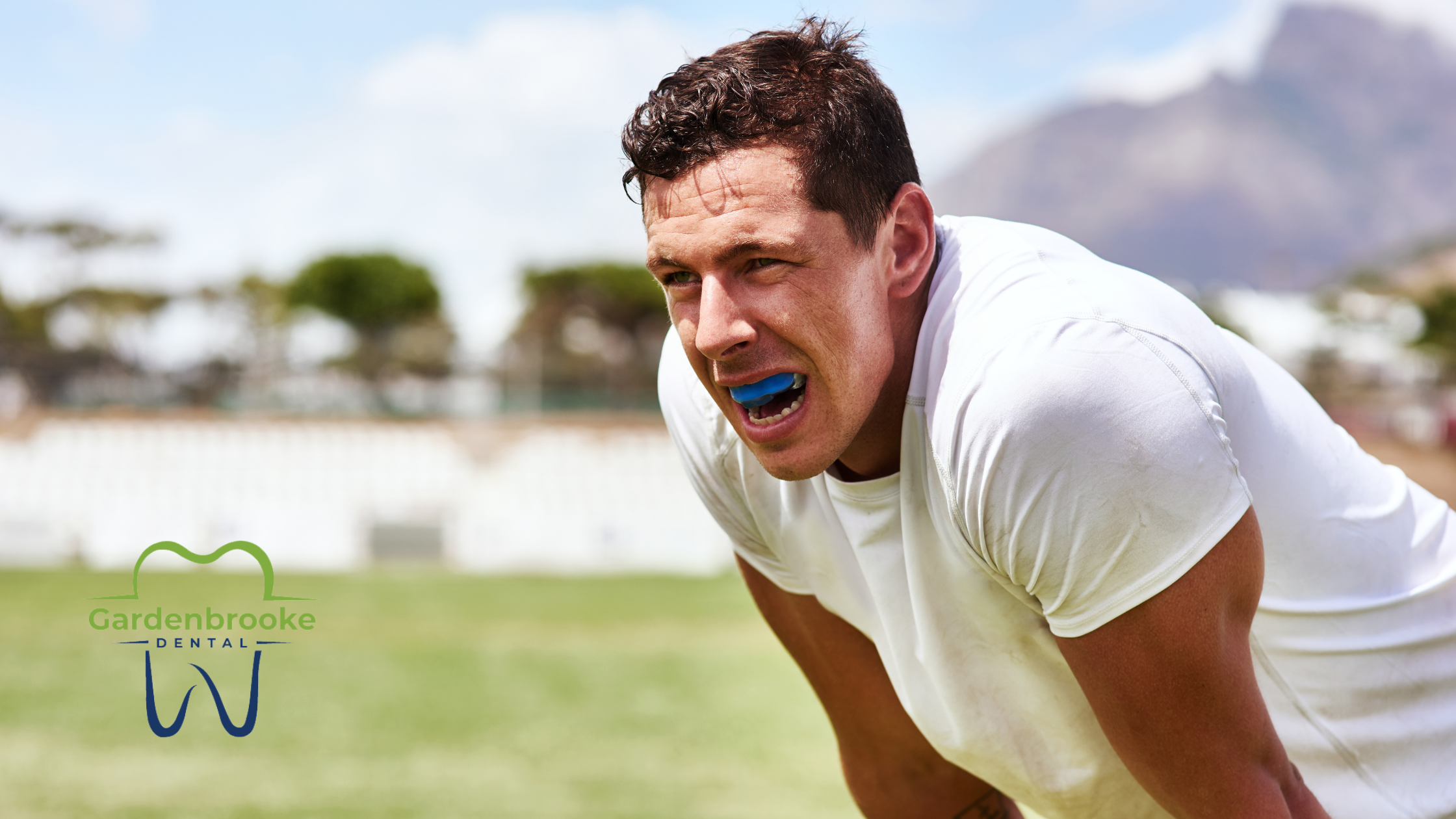
Playing sports is a fantastic way to stay active and healthy, but it also comes with risks—especially to your teeth. Although mouthguards are the most effective tool for protecting teeth during contact sports, not everyone utilizes them.
If you or your child play sports without a mouthguard, it’s essential to take extra precautions to minimize the risk of dental injuries.
In this article, we’ll explore alternative strategies to keep your teeth safe while enjoying the game.
Why Teeth Are Vulnerable During Sports
Teeth are at risk during sports because of the high likelihood of falls, collisions, and contact with equipment. The most common types of sports-related dental injuries include:
- Chipped or Broken Teeth: Impact can cause parts of a tooth to break off.
- Knocked-Out Teeth: A strong hit can completely dislodge a tooth.
- Cracks or Fractures: These can develop from less obvious impacts.
- Soft Tissue Injuries: Lips, cheeks, and gums can also suffer during accidents.
Understanding the risks can help you take proactive steps to protect your smile.
Strategies to Protect Teeth Without a Mouthguard
If using a mouthguard isn’t an option, consider these alternatives to reduce the likelihood of dental injuries:
1. Wear a Helmet
Helmets not only shield the head, but they also provide indirect dental protection. A sturdy helmet can absorb and distribute the force of an impact, reducing the risk of facial injuries.
Make sure the helmet fits correctly and is suitable for the sport you’re playing.
2. Practice Proper Techniques
Coaches and trainers emphasize proper techniques for a reason—they help prevent injuries. For example:
- Tackle Correctly: In contact sports like football or rugby, learning the correct tackling form can minimize accidental head or facial impacts.
- Control Movements: Avoid reckless or overly aggressive moves that increase injury risks for yourself and others.
3. Use a Face Shield or Cage
Some sports, like hockey and baseball, allow players to use face shields or cages as part of their helmets. These accessories provide an extra layer of protection for your mouth and teeth, especially in high-contact scenarios.
4. Maintain Good Oral Health
Strong, healthy teeth are better equipped to withstand impact. Encourage these habits:
- Brush Twice Daily: Use fluoride toothpaste to strengthen enamel.
- Floss Daily: Prevent gum disease and maintain healthy tissue around teeth.
- Visit the Dentist Regularly: Regular checkups can address minor issues before they become major problems.
5. Stay Alert and Aware
Awareness can go a long way in preventing injuries. Encourage players to:
- Keep Their Heads Up: Watch the ball, equipment, and other players to avoid unexpected collisions.
- Communicate: Clear communication on the field or court helps prevent accidental impacts.
6. Wear a Mouth-Covering Mask (if Applicable)
In non-contact sports, a simple fabric mask or bandana might provide minimal protection by acting as a buffer during minor impacts. However, this is not a substitute for a proper mouthguard in contact sports.
Reducing Risks During Practice and Games
Limit High-Risk Scenarios
Certain situations are more prone to accidents. To minimize risks:
- Practice on Safe Surfaces: Use well-maintained fields or courts.
- Avoid Overcrowded Areas: Keep drills and games organized to reduce the likelihood of accidental collisions.
Enforce Safety Rules
Safety guidelines exist to protect players. Ensure that:
- Players follow the rules of the sport.
- Dangerous actions, like high sticks in hockey or elbowing in basketball, are penalized.
Consider Protective Accessories
Other accessories like chin straps or padded collars can provide additional safety for the face and mouth even without the use of a mouthguard.
Sports with High Risk of Dental Injuries
Some sports pose a higher risk to teeth than others. According to the American Dental Association:
- High-Risk Sports: Football, hockey, lacrosse, boxing, and martial arts.
- Moderate-Risk Sports: Basketball, soccer, and baseball.
- Low-Risk Sports: Swimming, cycling, and track.
Knowing the risk level of your chosen sport can help you decide which precautions to prioritize.
The Cost of Dental Injuries
Dental injuries can be costly to fix, and the recovery process can be long. For example:
- Repairing a chipped tooth may cost $100 to $300.
- Replacing a knocked-out tooth with an implant can cost $3,000 to $4,500.
Taking preventative steps is not only better for your health but also for your wallet.
When to See a Dentist After an Injury
If an accident occurs, it’s crucial to seek dental care promptly. Signs that require immediate attention include:
- Severe Pain: This signifies potential damage to the tooth or nerve.
- Bleeding That Won’t Stop: May Point to Significant Soft Tissue Injury.
- Visible Damage: Chipped, cracked, or missing teeth need urgent care.
- Swelling: Could indicate infection or trauma.
Final Thoughts: Prevention is Key
While a mouthguard remains the best defense against dental injuries during sports, these alternative measures can still provide some level of protection. By wearing helmets, practicing proper techniques, and staying vigilant, you can reduce the risks to your teeth.
If you or your child has experienced a dental injury or you’re looking for additional ways to protect your smile, contact us today. Our team is here to provide expert advice and care to keep your teeth healthy and strong, no matter the game.