
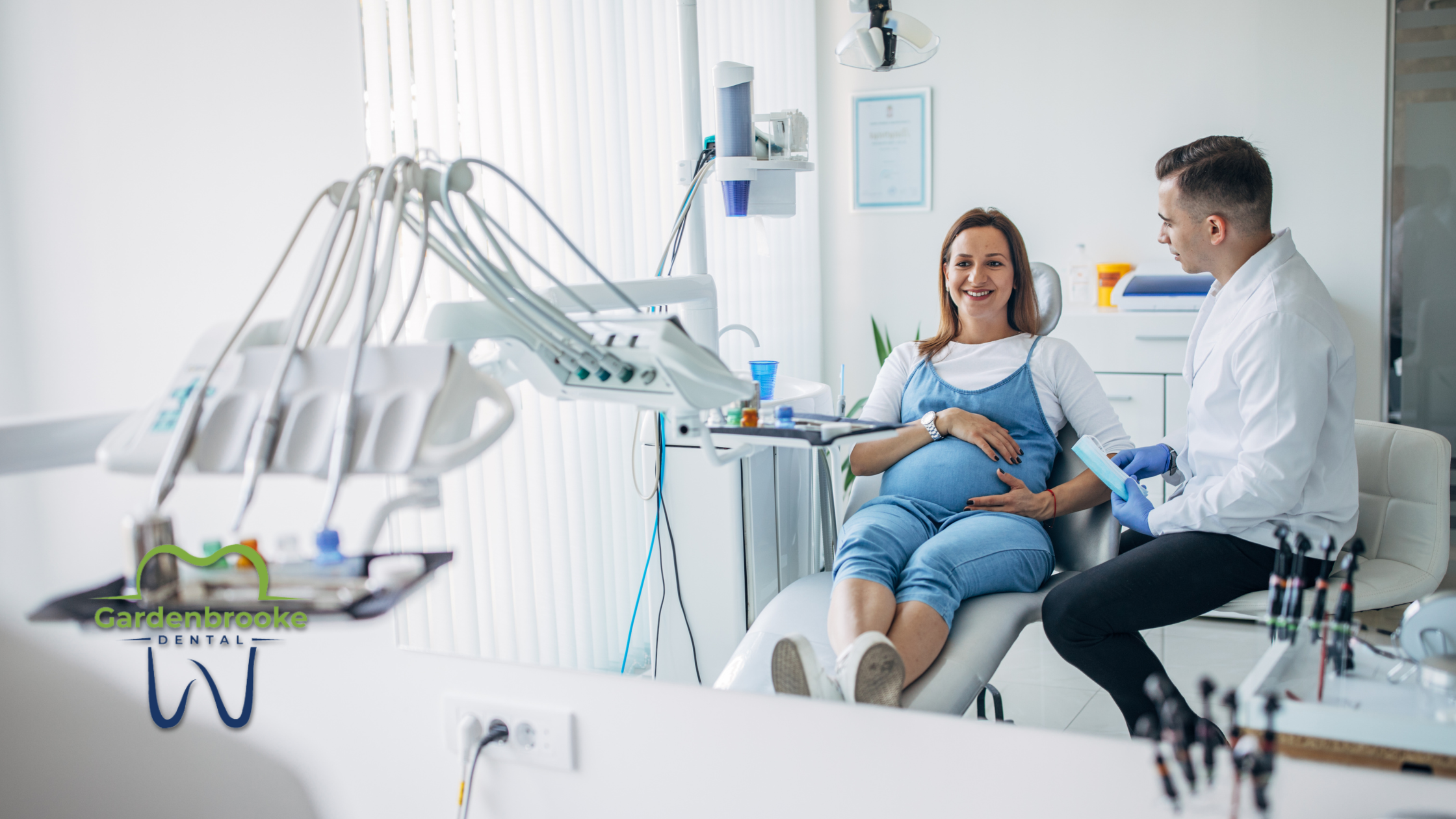
Maintaining good oral hygiene during pregnancy is essential for both the mother’s and her baby’s health. Hormonal changes during this period increase the risk of dental issues, making it crucial to adopt a thorough oral care routine.
By staying on top of dental health, expectant mothers can reduce their chances of gum disease and other complications that could affect their pregnancy and the baby’s development.
How Pregnancy Affects Oral Health
Pregnancy brings significant hormonal changes that can impact oral health in several ways:
- Pregnancy Gingivitis
Hormonal fluctuations can cause gums to become swollen, sensitive, and prone to bleeding. - Increased Risk of Cavities
Morning sickness, changes in diet, and less attention to brushing can increase the risk of tooth decay. - Pregnancy Tumors
Some women may develop small, non-cancerous growths on the gums due to increased inflammation.
These changes make it critical for pregnant women to practice good oral hygiene to prevent complications.
Why Oral Health Matters for Your Baby
Poor oral hygiene during pregnancy isn’t just a risk for the mother; it can also affect the baby. Studies show a link between gum disease and premature birth or low birth weight.
Infections in the mouth can spread through the bloodstream, potentially leading to complications for the baby’s health.
Key Oral Hygiene Tips During Pregnancy
- Brush and Floss Daily
Use fluoride toothpaste and brush twice a day. Don’t forget to floss, as it helps prevent gum disease. - Rinse After Morning Sickness
If you experience nausea, rinse your mouth with water to protect your teeth from stomach acids. - Stay Hydrated
Drinking plenty of water can help wash away bacteria and food particles. - Eat a Balanced Diet
Foods rich in calcium and vitamins help keep teeth strong for both you and your developing baby. - Visit Your Dentist Regularly
Regular dental check-ups and cleanings are safe and highly recommended during pregnancy.
Common Oral Health Issues in Pregnancy
- Gum Disease (Pregnancy Gingivitis)
Hormones make gums more sensitive and prone to inflammation. If untreated, this can lead to more severe gum disease. - Cavities
Cravings for sugary snacks and changes in oral care habits can lead to a higher risk of tooth decay. - Pregnancy Tumors
These small, non-cancerous growths on the gums can occur due to hormonal changes. While typically harmless, they can make brushing and flossing uncomfortable.
Impact of Poor Oral Hygiene on Pregnancy
Neglecting oral health during pregnancy can lead to
- Gum disease
In severe cases, gum disease can lead to preterm labor and low birth weight. - Infections
These can impact both oral and systemic health, affecting the body’s ability to fight off other diseases.
Safe Dental Treatments During Pregnancy
Routine dental cleanings and necessary treatments, such as cavity fillings, are safe during pregnancy, especially in the second trimester. Always inform your dentist about your pregnancy so they can tailor their care.
Final Thoughts
Good oral hygiene during pregnancy is crucial for maintaining your health and ensuring a healthy pregnancy. Brushing, flossing, regular dental visits, and a nutritious diet can protect both you and your baby from potential complications.
Prioritizing oral care benefits your overall well-being and contributes to a healthy pregnancy.