
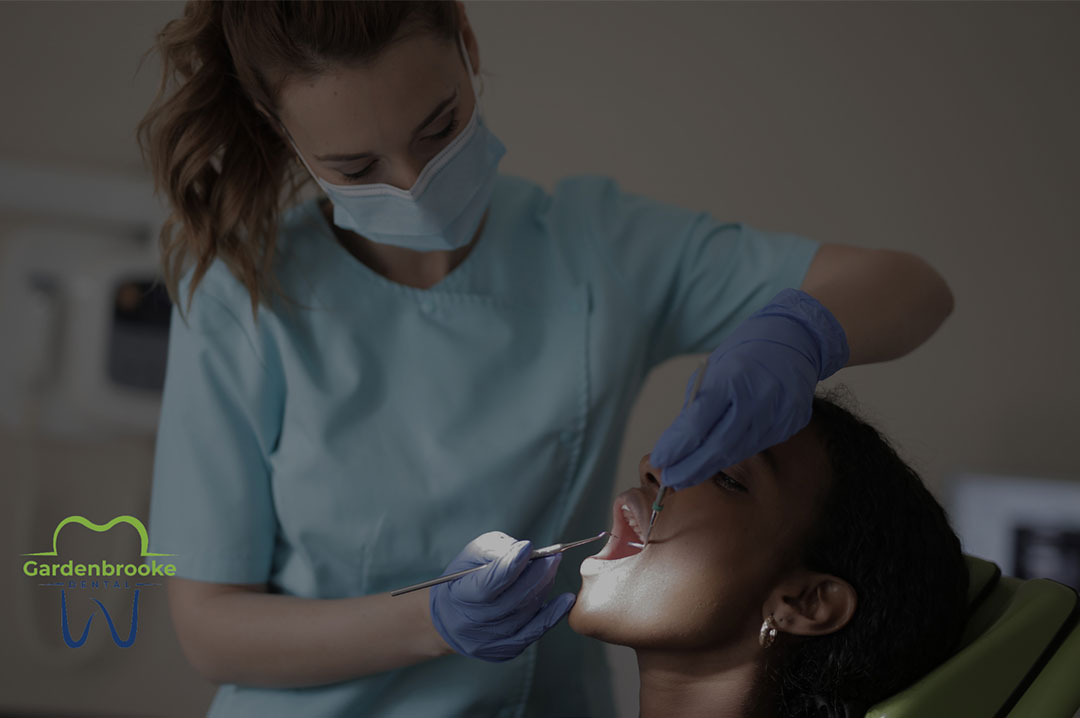
With regular dental exams being crucial for your oral health, understanding what to expect during a routine dental exam can help ease any anxiety or uncertainty you may have. During your appointment, you can anticipate a thorough examination of your gums and mouth, as well as X-rays and professional teeth cleaning. This guide will prepare you for your next dentist visit by explaining typical procedures and what to expect.
Key Takeaways:
- Regular dental exams are crucial: Routine dental exams help catch issues early, preventing costly and painful procedures later on.
- Components of a dental exam: The exam typically includes a professional cleaning, examination of teeth and gums, X-rays, and oral cancer screening.
- Importance of communication: Be sure to discuss any concerns or issues with your dentist during the exam to ensure the best oral health care.
Preparation for the Exam
The first step in preparing for your routine dental exam is scheduling the appointment. We recommend scheduling your dental appointments at least every six months for preventive care.
Scheduling the appointment
Preparation for your routine dental exam starts with scheduling the appointment. Be sure to choose a time that is convenient for you and allows you to arrive on time. Don’t hesitate to mention any dentist preferences or concerns when scheduling your appointment.
Filling out medical history forms
For your upcoming dental exam, you will likely be required to fill out medical history forms. These forms are important for the dentist to have a comprehensive understanding of your overall health, any medications you are taking, and any existing medical conditions. It is important to be thorough and accurate when completing these forms to ensure the dentist can provide you with the best possible care.
This information is crucial, as certain medical conditions and medications can impact your oral health or affect the treatments the dentist may recommend during the exam. Do not forget, your dentist is here to help you maintain a healthy smile, so providing detailed and accurate information on your medical history forms is key.
The Dental Exam Room
What to Expect Upon Arrival
Upon arrival at the dental office for your routine exam, you will check in at the front desk. If you are a new patient or if your personal or medical information has changed, the front desk may ask you to fill out any necessary paperwork. We will escort you to the dental exam room once we complete the administrative tasks.
Meeting the Dental Team
When meeting with the dental team, expect a warm and friendly welcome. The dental team may consist of a dental hygienist, dental assistant, and the dentist. They will introduce themselves and make you feel comfortable. The dental team will review your medical history and ask about any concerns or issues you may be experiencing with your oral health.
During this time, feel free to ask any questions you may have about your oral health or the dental exam process. The dental team is there to ensure you have a pleasant and informative experience during your visit.
The Examination Process
Visual examination of teeth and gums
After settling into the dental chair, the dentist will begin the examination by visually inspecting your teeth and gums. This involves checking for any signs of decay, cavities, or gum disease. The dentist will use a small mirror to see all angles of your teeth and gums.
Checking for oral cancer
Process: Your dentist will also perform a screening for oral cancer during your routine dental exam. This entails checking your mouth’s soft tissues, including your tongue, cheeks, and roof, for any suspicious lumps or lesions.
With early detection being crucial in treating oral cancer successfully, your dentist will carefully examine these areas to ensure any abnormalities are caught and addressed promptly.
Examining jaw and bite alignment
The dentist will then move on to examining your jaw and bite alignment. When you bite down, you can observe your jaw movement and how your teeth come together. Your dentist may ask you to bite down and move your jaw from side to side to evaluate its alignment and function.
Examining your jaw and bite alignment is critical to identifying any potential issues, such as temporomandibular joint (TMJ) disorders, which can cause pain and discomfort in the jaw joint and surrounding muscles.
Diagnostic Tools and Tests
X-rays and digital imaging
A diagnostic imperative part of your routine dental exam is the use of diagnostic tools like X-rays and digital imaging. These tools allow your dentist to see beyond what is visible to the naked eye, helping to identify potential issues such as cavities, bone loss, and impacted teeth. X-rays are particularly useful in detecting problems early, before they become more serious and costly to treat.
Plaque and tartar detection
Dental probes and disclosing solutions are among the tools used to detect plaque and tartar during your dental exam. These tools help your dentist identify areas in your mouth where plaque and tartar have built up, which can lead to gum disease and tooth decay if not addressed. By identifying these problem areas, your dentist can recommend appropriate treatments to prevent further damage to your oral health.
Detection of plaque and tartar is crucial during your dental exam because they are major contributors to dental problems. Plaque is a sticky film of bacteria that forms on your teeth and hardens into tartar if not removed. Regular dental cleanings and proper oral hygiene practices are imperative for keeping plaque and tartar buildup under control.
Cleaning and Preventive Care
Professional tooth cleaning
Unlike your regular brushing and flossing at home, a professional teeth cleaning at the dentist’s office goes beyond just surface cleaning. During this part of your routine dental exam, the dental hygienist will use specialized tools to remove plaque and tartar buildup that may have accumulated on your teeth and along the gum line. They will also polish your teeth to help remove any superficial stains and give your smile a fresh, clean appearance.
Fluoride treatments and sealants
Any routine dental exam may also include additional preventive treatments, such as fluoride treatment and dental sealants. Fluoride treatment helps to strengthen your tooth enamel and make it more resistant to decay, while dental sealants are protective coatings applied to the chewing surfaces of your molars to help prevent cavities from forming in the deep grooves and pits of your teeth.
The application of fluoride treatment and sealants is quick and painless, providing long-lasting protection for your teeth. These preventive measures can be especially beneficial for children, whose developing teeth may be more susceptible to decay. By incorporating these treatments into your routine dental exams, you are taking proactive steps to maintain your oral health and prevent future dental issues.
Identifying Potential Issues
Despite maintaining excellent oral hygiene habits, routine dental exams are imperative for identifying potential dental issues that may not be visible or noticeable to you. Your dentist will conduct a thorough examination of your mouth to detect any signs of issues that require attention.
Tooth decay and cavities
Issues such as tooth decay and cavities can develop without initially causing any symptoms. During your dental exam, your dentist will check for any areas of discoloration, soft spots on the teeth, or signs of decay. Your dentist may also take X-rays to identify cavities between the teeth or beneath the enamel surface.
Gum disease and receding gums
Often, receding gums are an early sign of gum disease, which can expose the roots of the teeth and lead to sensitivity. Your dentist will assess your gums’ health by measuring the depth of the pockets around each tooth and checking for any signs of inflammation or bleeding. Treatment for gum disease may include deep cleaning, antibiotics, or other interventions to prevent further progression.
Aggressive brushing, poor oral hygiene, or genetic predisposition can also cause receding gums. It’s imperative to address receding gums promptly to prevent complications such as tooth sensitivity, decay at the gum line, and eventual tooth loss.
Cracked or broken teeth
Teeth can become cracked or broken due to various reasons, such as trauma, tooth grinding, or biting on hard objects. Your dentist will inspect each tooth for any signs of damage, including small cracks or chips that may not be visible to the naked eye. Depending on the severity of the damage, treatment options may include dental bonding, crowns, or root canal therapy.
Cracked or broken teeth can lead to pain, sensitivity, and further structural damage if left untreated. Early detection during a routine dental exam can help prevent complications and preserve the health and integrity of your teeth.
To wrap up,
With these considerations in mind, you now have a better understanding of what to expect during a routine dental exam. Remember that these exams are crucial for maintaining excellent oral health and catching any potential issues early on. By following your dentist’s recommendations, practicing excellent oral hygiene, and keeping up with regular exams, you can ensure your smile stays healthy and bright for years to come.