

Temporomandibular joint (TMJ) disorder is a condition that affects the jaw joint and the muscles that control jaw movement. It can cause a variety of symptoms, including jaw pain, difficulty chewing, clicking or popping sounds when opening or closing the mouth, and even locking of the jaw. Other symptoms may include headaches, ear pain, and facial pain. TMJ disorder can be caused by a variety of factors, including injury to the jaw joint, arthritis, or even stress and teeth grinding. It is important to understand the symptoms of TMJ disorder so that you can seek appropriate treatment.
TMJ disorder can be a debilitating condition that affects many aspects of a person’s life. The pain and discomfort associated with TMJ disorder can make it difficult to eat, speak, and even sleep. In severe cases, it can lead to chronic headaches and other health issues. Understanding the symptoms of TMJ disorder is crucial for early intervention and effective treatment. If you are experiencing any of the symptoms mentioned above, it is important to seek professional help from a qualified dentist or healthcare provider.
The Importance of Seeking Professional Help from a Brampton Dentist
Seeking professional help from a Brampton dentist is crucial for the effective diagnosis and treatment of TMJ disorder. A dentist with experience in treating TMJ disorder can conduct a thorough examination of your jaw joint and muscles to determine the underlying cause of your symptoms. They can also provide personalized treatment options to alleviate your pain and improve your quality of life. A dentist can also provide valuable guidance on lifestyle changes and home remedies to manage your TMJ symptoms.
A Brampton dentist can offer a variety of treatment options for TMJ disorder, including dental splints or mouthguards to alleviate teeth grinding, orthodontic treatment to correct bite alignment issues, and even surgical intervention in severe cases. They can also provide valuable advice on stress management techniques and exercises to improve jaw muscle strength and flexibility. Seeking professional help from a Brampton dentist is essential for long-term relief from TMJ disorder and its associated symptoms.
Trendy Tips for Alleviating Jaw Pain at Home
In addition to seeking professional help from a Brampton dentist, there are several trendy tips for alleviating jaw pain at home. One popular method is using heat or cold packs to reduce muscle tension and inflammation in the jaw joint. Applying a warm compress to the affected area can help relax tight muscles, while a cold pack can help reduce swelling and numb pain. Another trendy tip is practicing relaxation techniques such as meditation, deep breathing, or yoga to reduce stress and tension in the jaw muscles.
Furthermore, incorporating gentle jaw exercises into your daily routine can help improve jaw mobility and reduce pain. These exercises may include gentle stretches, massage techniques, and resistance training for the jaw muscles. Additionally, using over-the-counter pain relievers or anti-inflammatory medications can provide temporary relief from TMJ pain. It is important to consult with a healthcare professional before trying any trendy tips for alleviating jaw pain at home to ensure they are safe and effective for your specific condition.
The Role of Stress Management in TMJ Treatment
Stress management plays a crucial role in the treatment of TMJ disorder. Stress can exacerbate muscle tension in the jaw and lead to teeth grinding, which can worsen TMJ symptoms. Therefore, incorporating stress management techniques into your daily routine can help alleviate TMJ pain and improve overall well-being. One effective stress management technique is mindfulness meditation, which involves focusing on the present moment and cultivating a sense of calm and relaxation. This can help reduce muscle tension in the jaw and promote healing.
Another important aspect of stress management in TMJ treatment is identifying and addressing sources of stress in your life. This may involve making lifestyle changes, setting boundaries, or seeking professional help from a therapist or counselor. Additionally, engaging in regular physical activity such as walking, swimming, or yoga can help reduce stress and tension in the body, including the jaw muscles. By incorporating stress management techniques into your daily routine, you can effectively manage TMJ symptoms and improve your overall quality of life.
The Latest Advancements in TMJ Treatment Options
In recent years, there have been significant advancements in TMJ treatment options that offer new hope for individuals suffering from this debilitating condition. One of the latest advancements is the use of Botox injections to alleviate muscle tension and pain in the jaw joint. Botox injections can help relax overactive muscles and reduce the frequency and intensity of TMJ symptoms. Another cutting-edge treatment option is the use of regenerative medicine techniques such as platelet-rich plasma (PRP) therapy to promote healing and tissue repair in the jaw joint.
Furthermore, advancements in technology have led to the development of custom-made 3D-printed implants for individuals with severe TMJ disorders. These implants are designed to replace damaged or deteriorated jaw joints, providing long-term relief from pain and improved jaw function. Additionally, researchers are exploring the potential of stem cell therapy for regenerating damaged tissues in the jaw joint, offering promising prospects for future TMJ treatment options. These latest advancements in TMJ treatment options demonstrate the ongoing commitment to improving patient outcomes and quality of life.
The Benefits of Physical Therapy and Exercise for TMJ Pain Relief
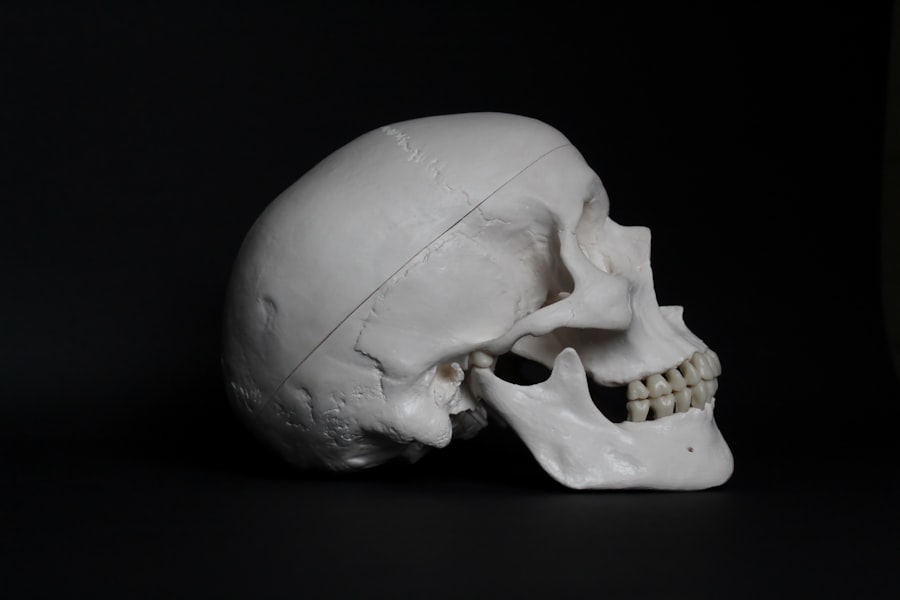
Physical therapy and exercise play a crucial role in TMJ pain relief by improving jaw mobility, reducing muscle tension, and promoting overall healing. A physical therapist with experience in treating TMJ disorder can develop a personalized exercise program to strengthen and stretch the jaw muscles, improve posture, and enhance overall jaw function. These exercises may include gentle stretches, resistance training, and manual therapy techniques to alleviate pain and improve jaw mobility.
In addition to physical therapy, incorporating regular exercise into your daily routine can help reduce stress and tension in the body, including the jaw muscles. Engaging in activities such as swimming, yoga, or Pilates can help improve overall flexibility and reduce muscle tension in the jaw joint. Furthermore, practicing good posture and ergonomics can help alleviate strain on the jaw muscles and reduce the risk of TMJ symptoms. By incorporating physical therapy and exercise into your TMJ treatment plan, you can experience long-term relief from pain and improved jaw function.
Nutritional and Dietary Tips for Managing TMJ Symptoms
Nutritional and dietary tips play an important role in managing TMJ symptoms by promoting overall health and reducing inflammation in the body. Consuming a well-balanced diet rich in fruits, vegetables, lean proteins, and healthy fats can provide essential nutrients for tissue repair and healing in the jaw joint. Additionally, incorporating anti-inflammatory foods such as turmeric, ginger, and omega-3 fatty acids can help reduce inflammation and alleviate TMJ pain.
Furthermore, avoiding hard or chewy foods that require excessive jaw movement can help reduce strain on the jaw muscles and alleviate TMJ symptoms. It is also important to limit consumption of caffeine, alcohol, and tobacco, as these substances can exacerbate muscle tension and contribute to teeth grinding. Staying hydrated by drinking plenty of water throughout the day can also help maintain optimal joint function and reduce the risk of TMJ symptoms. By incorporating these nutritional and dietary tips into your daily routine, you can effectively manage TMJ symptoms and improve your overall well-being.
In conclusion, understanding TMJ disorder and its symptoms is crucial for early intervention and effective treatment. Seeking professional help from a Brampton dentist is essential for personalized treatment options and guidance on managing TMJ symptoms at home. Trendy tips such as heat or cold packs, relaxation techniques, and gentle jaw exercises can provide temporary relief from TMJ pain. Stress management plays a crucial role in TMJ treatment by reducing muscle tension and promoting healing. The latest advancements in TMJ treatment options offer new hope for individuals suffering from this debilitating condition. Physical therapy and exercise play a crucial role in TMJ pain relief by improving jaw mobility and reducing muscle tension. Nutritional and dietary tips are important for managing TMJ symptoms by promoting overall health and reducing inflammation in the body. By incorporating these strategies into your daily routine, you can effectively manage TMJ symptoms and improve your overall quality of life.