
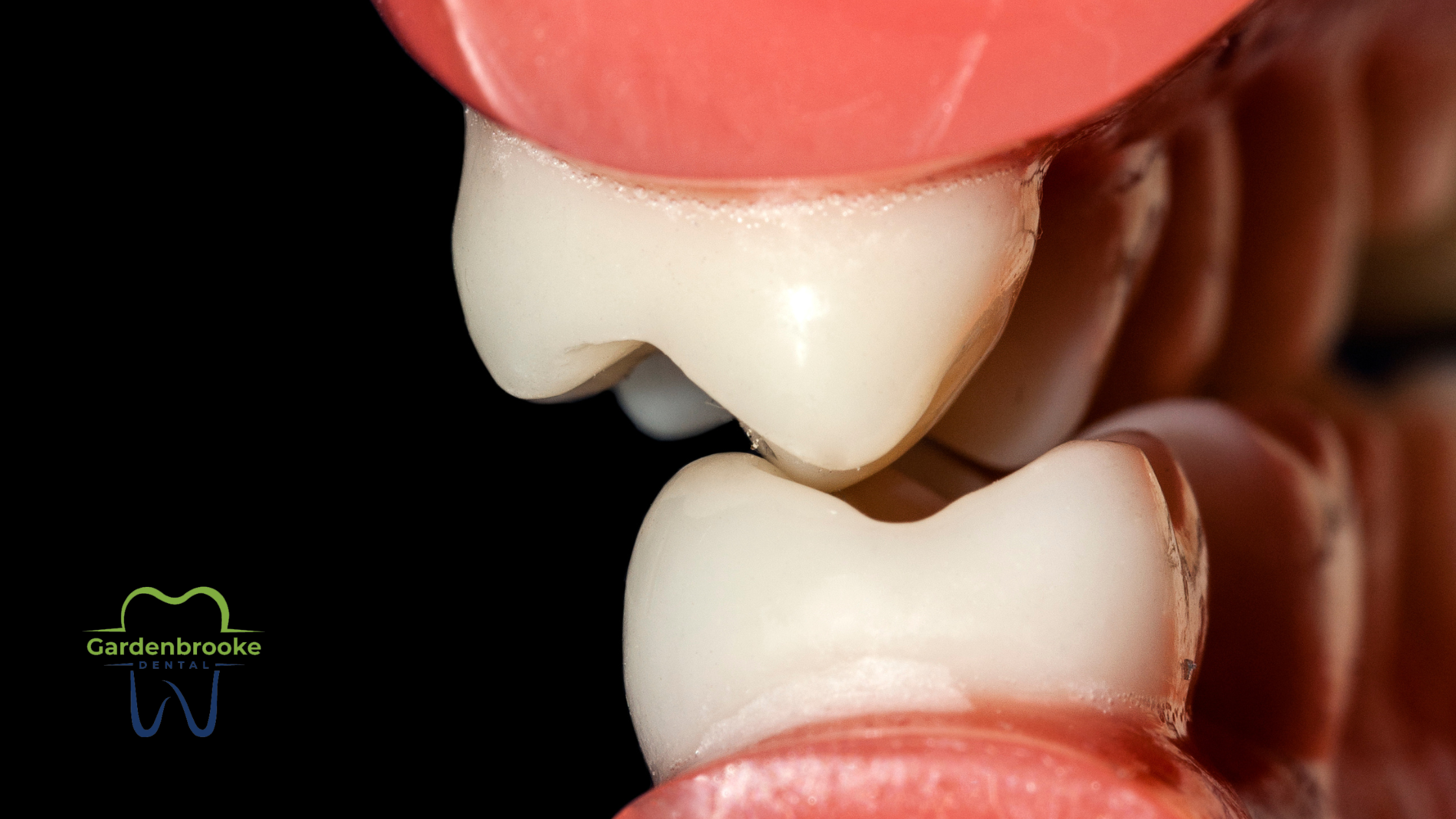
You may not realize it, but occlusal adjustments play a significant role in the effectiveness and longevity of your dental fillings. When you receive a filling, achieving the right bite is vital to ensure comfort and functionality.
If the occlusion is off, it can lead to excessive wear on the filling, discomfort, and even damage to surrounding teeth. In this blog post, we will explore the importance of occlusal adjustments, how they enhance the performance of your fillings, and why they should be a focus in your dental care routine.
Key Takeaways:
- Proper occlusal adjustments after fillings ensure a balanced bite that reduces discomfort and prevents damage to teeth and restorations.
- Misaligned bites can lead to tooth wear, jaw pain, and other oral health problems that may affect overall well-being.
- Regular assessment and fine-tuning of bite alignment improve filling longevity and enhance long-term dental health.
Occlusion plays a vital role in your dental health, especially after receiving fillings. Ensuring that your bite aligns properly can prevent discomfort and further complications.
When you have a filling, occlusal adjustments help create an even surface, allowing you to chew without pain or strain. By paying attention to these adjustments, you can facilitate optimal healing and maintain your dental work effectively.
In this post, we will explore how these adjustments impact your overall oral health and why addressing them post-filling is key to lasting dental success.
The Critical Role of Occlusion in Dental Health
With your bite functioning as a complex system, it contributes significantly to your overall oral health. Proper occlusion enables efficient chewing, prevents wear on your teeth, and protects your jaw joints from undue stress.
“Your bite is more than just the way your teeth come together—it’s the foundation for maintaining strong teeth, healthy gums, and a pain-free jaw. Addressing occlusal issues early on can save you from long-term complications and discomfort.” – Gardenbrooke Dental, in Gardenbrooke Trail, Brampton, ON
When teeth come together correctly, you can maintain healthy gums and minimize the risk of jaw disorders, tooth fractures, and discomfort, which could otherwise lead to further complications.
The Mechanics of Bite Alignment
Bite alignment involves the positioning of your upper and lower teeth during various functions, such as chewing and speaking. When teeth fit together seamlessly, the pressure is evenly distributed, allowing efficient functioning and reducing wear and tear.
An aligned bite encourages proper jaw movement, significantly reducing tension on the temporomandibular joint (TMJ).
Consequences of Malocclusion
Malocclusion, or improper bite alignment, can lead to a range of dental and health issues. Chronic misalignment can increase the risk of developing conditions such as TMJ disorders and may complicate oral hygiene, which in turn can contribute to tooth decay and gum disease.
“Even a small misalignment can disrupt your ability to chew comfortably, speak clearly, and clean your teeth effectively, making malocclusion a key factor in both functional and aesthetic dental health.” – Gardenbrooke Dental, in Gardenbrooke Trail, Brampton, ON
Beyond your mouth, malocclusion may also contribute to headaches, neck pain, and even digestive problems due to improper chewing.
Specific examples of consequences stemming from malocclusion include an increased vulnerability to tooth wear and sensitivity due to uneven pressure during biting. For instance, a pronounced overbite can cause excessive friction on your front teeth while grinding, leading to enamel erosion.
Additionally, misaligned teeth may hinder your ability to clean your mouth effectively, resulting in a higher likelihood of cavities and periodontal disease. Treatments for malocclusion can vary but may include orthodontics, occlusal adjustments, or restorative dental work, depending on the severity of your case.
The Underestimated Impact of Occlusal Harmony
Occlusal harmony plays a pivotal role in your overall dental health, yet it often goes unnoticed until issues arise. A balanced bite ensures that your teeth, jaw, and muscles work together efficiently.
When harmony is disrupted, the ripple effects can lead to discomfort, uneven wear, and other complications that may require extensive treatment. Prioritizing occlusal adjustments in your dental care can alleviate unnecessary strain and promote long-term wellness.
Defining Occlusal Adjustments
Occlusal adjustments involve fine-tuning your bite to achieve optimal harmony among your teeth and jaw. This process may include reshaping or modifying existing dental work, such as fillings, crowns, or bridges, using fine dental instruments or handpieces to ensure that they align properly with your natural teeth.
By targeting pressure points or areas of contact, these adjustments can improve your bite and alleviate discomfort.
The Role of Occlusal Balance in Dental Health
A balanced occlusion reduces the risk of various dental issues, including gum disease, tooth wear, and jaw disorders. With an even distribution of biting forces, your teeth are less likely to crack or break, allowing them to maintain their integrity longer.
Studies indicate that patients with proper occlusal balance report fewer instances of dental pain and discomfort, leading to healthier habits and better overall oral hygiene.
In fact, occlusal balance significantly impacts your quality of life. Research suggests that a well-aligned bite may help reduce contributing factors associated with temporomandibular joint (TMJ) disorders, which affect a substantial portion of the population.
By mitigating tension in the jaw muscles, you not only improve comfort but can also enhance your ability to chew and speak effectively. Regular assessments of your occlusion can significantly improve your dental health by enabling timely interventions.
The Science Behind Occlusal Adjustments
Understanding the science behind occlusal adjustments reveals a complex interaction between teeth, jaw muscles, and overall bite dynamics. Your teeth should meet symmetrically under the load of chewing, and any misalignment can lead to increased pressure on specific areas, eventually causing discomfort or damage.
Research indicates that occlusal discrepancies can affect the temporomandibular joint (TMJ), leading to pain and dysfunction. The goal of an occlusal adjustment is to achieve an even distribution of biting forces, enhancing both comfort and the effectiveness of your dental fillings.
Techniques and Tools Used
A variety of techniques and tools are employed to assess and adjust your occlusion accurately. Articulating paper helps visualize the contact points in your bite, highlighting areas of imbalance.
“Using tools like articulating paper or digital scanners ensures precision during occlusal adjustments, allowing us to pinpoint areas of stress and make corrections that enhance both comfort and longevity of your dental work.” – Gardenbrooke Dental, in Gardenbrooke Trail, Brampton, ON
Dentists may also use digital scanning technology to create a precise map of your occlusal surface. Techniques like selective grinding can be utilized to adjust specific tooth surfaces, ensuring an ideal bite alignment.
These tools and techniques allow for a meticulous approach to achieving harmony in your occlusion.
The Impact on Filling Longevity
The longevity of your fillings is significantly influenced by how well your occlusion is aligned. Proper occlusal adjustments minimize the uneven wear on your fillings, preventing premature failure.
Evidence suggests that well-balanced occlusion may improve the longevity of dental restorations by minimizing stress and wear. Over time, misaligned bites may lead to fractures or dislodgment of fillings.
By ensuring optimal occlusal harmony, you enhance your comfort and extend the lifespan of your dental work, safeguarding your investment in oral health.
The Importance of Proper Occlusal Alignment Post-Filling
Achieving proper occlusal alignment after a filling is vital to prevent discomfort and ensure optimal function. When fillings are not correctly adjusted, your bite may feel off-balance, leading to uneven wear on your teeth and an increased risk of further dental issues.
Proper alignment allows for efficient chewing, minimizes muscle strain, and contributes to overall oral well-being.
Your dental experience doesn’t end with the placement of a filling—post-filling evaluations are crucial. If the filling is too high, you might notice sensitivity or a feeling of pressure when biting down.
Over time, such discomfort can result in shifting teeth, temporomandibular joint (TMJ) issues, or exacerbated tooth wear. By seeking an occlusal adjustment, you can enhance comfort levels, leading to healthier jaw function and a more stable bite.
Regular follow-ups are wise to ensure that your bite remains harmonious, ensuring your dental health for years to come.
Consequences of Neglecting Occlusal Adjustments
Neglecting occlusal adjustments can lead to a cascade of dental problems, ultimately impacting your overall health. Without proper adjustment, fillings may create uneven bite pressures, which can cause discomfort, excessive tooth wear, and even misalignment of your jaw over time.
These issues can result in unnecessary dental work or discomfort, underscoring the significance of addressing occlusal harmony after restorations.
Common Issues Arising from Poor Adjustment
Common issues from poor occlusal adjustments include heightened sensitivity, persistent pain while chewing, and the development of temporomandibular joint disorders (TMJ). If the filling is too high, it can create an uneven bite, leading to an imbalance that puts excessive strain on surrounding teeth and muscles.
Over time, these problems can escalate, resulting in more complex dental interventions.
Long-Term Impacts on Oral Health and Systemic Conditions
Ineffective occlusal adjustments can have long-term impacts on your oral health as well as systemic conditions. When your bite is unbalanced, it can lead to chronic discomfort, tooth mobility, and even periodontal disease due to the ongoing strain and stress placed on your teeth and gums.
While more research is needed, chronic oral health issues like periodontal disease have been associated with systemic conditions such as cardiovascular disease due to increased inflammation.
Research suggests that untreated dental issues can contribute to a range of health complications. For example, studies have shown that individuals with periodontal disease are at a greater risk for heart disease because of increased inflammation and bacteria entering the bloodstream.
Furthermore, imbalances caused by improper occlusal adjustments can lead to muscle tensions and misalignment that may manifest as headaches or neck pain. So, adjusting your fillings is about comfort and health.
The Dentist’s Perspective: When to Adjust?
Understanding the timing for occlusal adjustments requires keen observation and clinical expertise. You should assess each filling after it’s placed, considering the patient’s bite.
Immediate adjustments are often warranted during the appointment itself, especially if the patient reports discomfort while biting down or if the occlusion feels off during your examination. Staying vigilant during follow-up appointments is also imperative, as slight shifts in bite may become apparent once the anesthetic has worn off.
Indicators for Immediate Occlusal Adjustment
Dental professionals often encounter several key indicators that an occlusal adjustment is necessary right after a filling procedure. If the patient experiences discomfort while occluding or reports any sharp sensation in a specific area, these symptoms typically signal the need for immediate realignment.
Additionally, visual cues, such as wear on opposing teeth, can also illuminate issues requiring adjustments. Swift action alleviates discomfort and promotes the longevity of your dental work.
Final Words
Hence, understanding the importance of occlusal adjustments in fillings is vital for your dental health. Proper adjustments ensure that your bite functions harmoniously, minimizing discomfort and preventing future issues such as tooth wear or jaw pain.
By attending to these adjustments, you are taking proactive steps toward enhancing your overall oral function and the longevity of your dental work. Prioritizing occlusal balance improves your immediate comfort and lays the groundwork for healthier teeth and gums in the long term.
Don’t Let a Misaligned Filling Disrupt Your Smile
An improper bite after a dental filling can lead to long-term discomfort and even damage if left untreated. At Gardenbrooke Dental, we specialize in occlusal adjustments to ensure your filling fits perfectly and your bite stays balanced.
We’re conveniently located at 275 Gardenbrooke Trail, Brampton, ON—just a call or click away.
Contact us today to book your appointment and get expert care from a team that puts your comfort first.
Your healthy, pain-free smile starts here!