
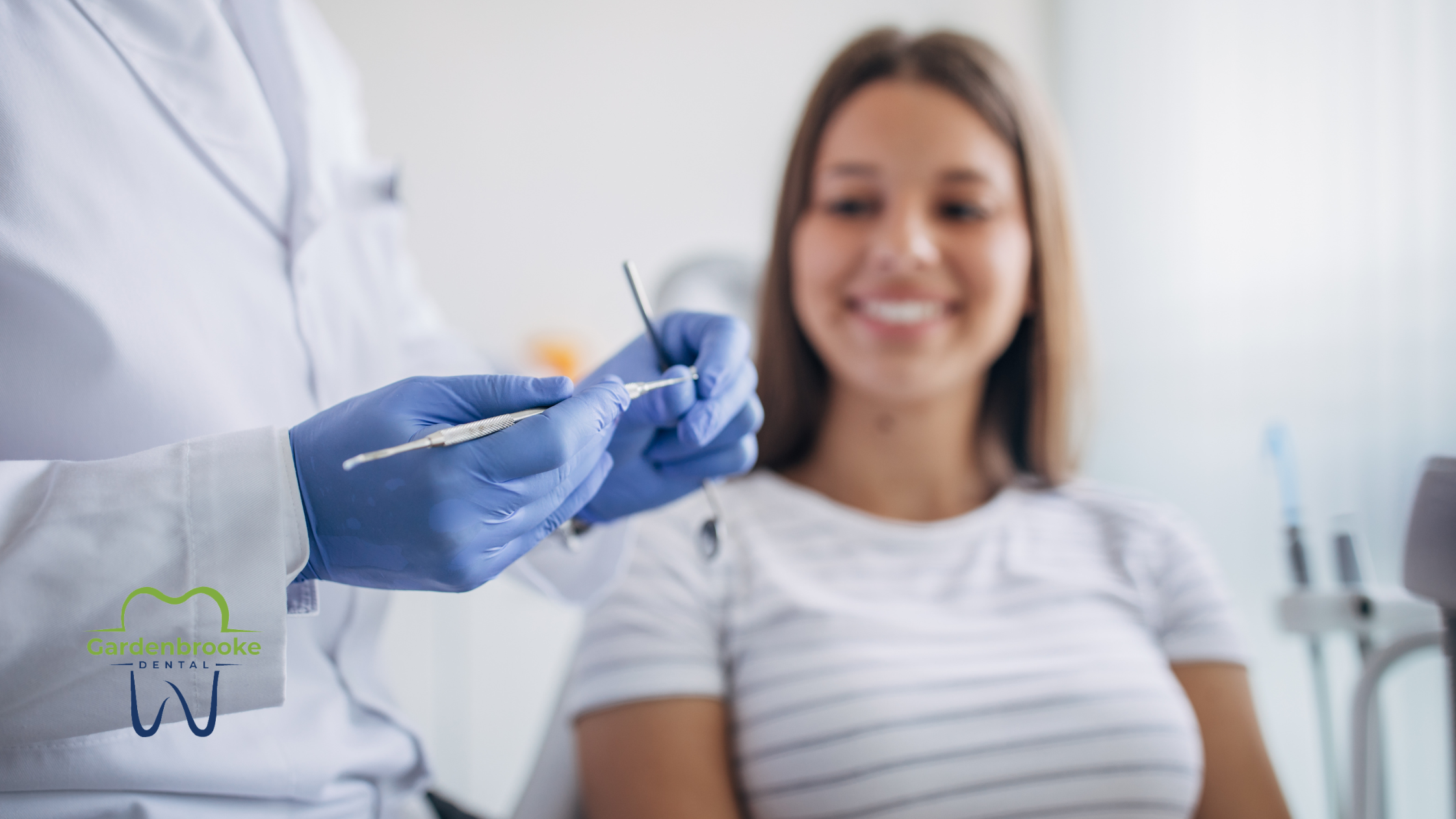
Many people associate dental checkups solely with cavity detection, but these visits offer valuable insights into your overall health. Regular dental examinations allow your dentist to spot early signs of gum disease, oral cancer, and other systemic health issues, potentially influencing your well-being beyond just your teeth.
By understanding the broader benefits of these appointments, you can appreciate their importance in maintaining not only a healthy smile but also a healthier body.
Key Takeaways:
- Dental checkups detect more than cavities by identifying early signs of gum disease, oral cancer, and systemic health issues.
- Regular exams use advanced tools and screenings to monitor oral health and its connection to overall well-being.
- Personalized preventive care and strong dentist-patient relationships improve long-term oral and general health outcomes.
The Scope of Dental Health Beyond Cavities
Your oral health plays a pivotal role in your overall well-being, far exceeding the boundaries of just cavity prevention. Regular dental checkups can help identify signs of gum disease and early dental wear that may reflect poor dietary habits or bruxism.
This broader scope encompasses not only your teeth but also your jaw, gums, and the overall condition of your mouth, revealing a wealth of information about your systemic health and lifestyle choices.
Early Detection of Systemic Diseases
Dentists often become the first line of defense in spotting early signs of systemic diseases during routine exams. For instance, symptoms of diabetes may manifest as gum inflammation or dry mouth, while certain oral symptoms such as dry mouth or delayed healing may be linked to medications used to manage high blood pressure.
By identifying these issues early, you can seek medical intervention sooner and possibly avoid more severe complications.
“Your oral health often serves as a window into your body’s health, with changes in your mouth potentially signaling systemic conditions like diabetes or hypertension long before other symptoms appear.” – Gardenbrooke Dental, located in 275 Gardenbrooke Trail, Brampton, ON
Identifying Oral Cancer Risks
Oral cancer screenings are a critical component of your dental checkup, as early detection significantly improves survival rates. Your dentist will examine for unusual lesions, lumps, or color changes in your gums and soft tissues, which can indicate malignant growths.
Risk factors such as tobacco use, heavy alcohol consumption, and HPV infection increase your chances for oral cancer, making these screenings even more vital.
“An oral cancer screening isn’t just a routine inspection—it’s a potentially life-saving step in identifying issues early before discomfort or advanced symptoms arise.” – Gardenbrooke Dental, located in 275 Gardenbrooke Trail, Brampton, ON
Oral cancer is often asymptomatic in its early stages, which is why regular screenings can save lives. For example, when detected early, For example, when detected early, the 5-year survival rate for oral cancer can exceed 80%, according to Canadian data.
Your dentist will look for specific characteristics, such as white or red patches in your mouth, changes in texture, or persistent sores that do not heal. If abnormalities are found, they can recommend further diagnostic tests, giving you the best chance for effective treatment and recovery.
Early awareness and intervention are key, reinforcing the value of not just routine checkups, but also being proactive about your dental health.
The Role of Diagnostic Tools in Oral Examinations
During your dental checkup, a variety of diagnostic tools come into play, facilitating a thorough evaluation of your oral health beyond just looking for cavities.
Keeping an eye on your overall health, these techniques also provide insights into systemic diseases that might manifest symptoms in your mouth.
Advanced Imaging Techniques
Advanced imaging has transformed dental diagnostics significantly. Techniques like digital X-rays and cone beam computed tomography (CBCT) allow for a detailed view of your teeth, bones, and surrounding structures, aiding in the early detection of abnormalities that traditional methods may miss.
|
The Importance of Periodontal Screening
Periodontal screening serves as a vital component of your dental checkup. Through this assessment, your dentist gauges the health of your gums and the supporting structures of your teeth, checking for signs of gum disease such as inflammation or pocket formation.
Gum disease is often stealthy, advancing without noticeable symptoms until it’s more severe.
A thorough periodontal screening can uncover localized infections or systemic issues linked to gum health, like diabetes or cardiovascular disease.
“Gum disease is sometimes called a ‘silent condition’ because many people don’t realize they have it until irreversible damage has occurred—this makes early diagnosis through periodontal screening essential.” – Gardenbrooke Dental, located in 275 Gardenbrooke Trail, Brampton, ON
Your dentist measures the depth of gum pockets and evaluates gum attachment, providing a clear picture of your periodontal status. This assessment allows for timely intervention, whether that means preventive care or treatment of existing gum disease, significantly impacting your overall health and well-being.
The Connection Between Oral Health and Overall Wellbeing
Your oral health can significantly impact your overall wellbeing, as evidence continues to emerge linking oral conditions to systemic diseases. Gum disease, for example, has been associated with inflammation throughout the body, leading to increased risks of various health issues.
Regular dental checkups provide an opportunity to monitor not just your teeth and gums but also how they may relate to broader health conditions, emphasizing the interconnectedness of your oral and physical health.
The Impact of Oral Infections on Respiratory Health
Oral infections can have a serious impact on your respiratory health, as the bacteria from your mouth can travel through the airways and into the lungs. This link is particularly worrisome for those with existing respiratory conditions, as infections like pneumonia and chronic obstructive pulmonary disease (COPD) can be exacerbated by oral bacteria.
Maintaining oral hygiene and visiting your dentist regularly can help minimize these risks.
In fact, studies have shown that individuals with periodontal disease are at a higher risk of developing respiratory infections. The bacteria found in inflamed gums can be inhaled into the lungs, leading to serious respiratory issues, particularly in vulnerable populations like the elderly or those with pre-existing health conditions.
By prioritizing dental health and addressing any oral infections promptly, you can reduce your likelihood of complicated respiratory problems down the line, reinforcing the importance of those regular checkups.
Preventive Strategies Shaped by Regular Checkups
With each dental checkup, your oral health can take on a proactive approach through tailored preventive strategies. These regular visits allow your dentist to assess not just the condition of your teeth and gums, but also to offer guidance on everything from brushing techniques to lifestyle habits that contribute to your overall oral health.
By identifying issues before they escalate, these checkups equip you with the knowledge to maintain a healthy smile.
Personalized Oral Hygiene Plans
Customized oral hygiene plans emerge from comprehensive evaluations during your checkups. Your dentist considers your unique dental history, risk factors, and lifestyle to recommend specific routines and products.
This personalized approach ensures that you’re addressing your individual needs, which enhances your oral health outcomes.
Nutritional Guidance for Better Oral Health
What you eat directly impacts your oral health, making tailored nutritional advice a vital part of your preventive strategy. Your dentist can recommend dietary changes that strengthen enamel and help reduce plaque buildup, promoting overall dental wellness.
Such guidance includes incorporating foods rich in vitamins and minerals vital for healthy teeth and gums.
For instance, a diet high in calcium and vitamin D can fortify your enamel and help prevent decay. Leafy greens, dairy products, and nuts are excellent choices.
Additionally, limiting sugary snacks and drinks further protects against cavities and gum disease. Your dentist might also highlight the importance of staying hydrated, as water is vital for maintaining saliva production, which naturally cleanses your mouth and aids in digestion.
By integrating these nutritional tips into your daily routine, you can support a healthier smile and reduce the need for extensive dental treatments down the line.
Shifting Perspectives: Rethinking Dental Visits
Approaching dental visits as a holistic health strategy rather than merely a means to address dental issues can significantly alter your experience. Viewing checkups as opportunities for preventive care can empower you to take charge of your oral health.
Each visit becomes a chance to learn about your dental needs and how they relate to your overall well-being, turning routine appointments into valuable sessions for education and guidance.
The Importance of Proactive vs. Reactive Care
A proactive approach involves regular dental checkups, which can uncover potential issues before they escalate into major problems. For instance, early detection of gum disease or oral cancer can dramatically enhance treatment outcomes, saving both time and money in the long run.
Your dentist’s professional insights during routine visits help you maintain good oral health, as they often provide tailored advice on improving your dental hygiene based on observations made during exams.
Building a Long-Term Relationship with Your Dentist
Establishing a rapport with your dentist fosters a sense of trust that enhances your overall care experience. The more you interact, the better your dentist understands your unique dental history and preferences, allowing them to personalize treatment plans effectively.
This relationship can also facilitate open discussions about any concerns you may have related to your oral health, leading to better outcomes.
Long-term relationships with your dentist can provide continuity of care that is necessary for effective oral health management. By consistently visiting the same clinic, your dentist accumulates a detailed history of your dental health, helping to identify patterns and predict potential issues.
This personalized attention enables tailored recommendations for preventive measures and treatments while creating a comfortable environment where you feel valued and understood. Over time, this rapport can also encourage you to maintain regular checkups, further enhancing your long-term oral health strategy.
Final Words
With these considerations, you can appreciate that dental checkups do much more than identify cavities. They allow your dentist to monitor your overall oral health, potentially revealing underlying conditions such as gum disease, oral cancers, and systemic health issues.
Regular visits empower you to maintain not just a healthy smile, but also to take proactive steps toward your overall well-being. By prioritizing these checkups, you ensure a comprehensive approach to your health that goes far beyond your teeth.
Schedule Your Comprehensive Dental Checkup Today
At Gardenbrooke Dental, we do more than just check for cavities — we look after your whole oral health. From early signs of gum disease to indicators of systemic conditions, our experienced team is committed to your well-being. Conveniently located at 275 Gardenbrooke Trail, Brampton, ON, we’re here to provide the attentive, personalized care you deserve.
Contact us today to book your next dental checkup — your health may depend on it.