
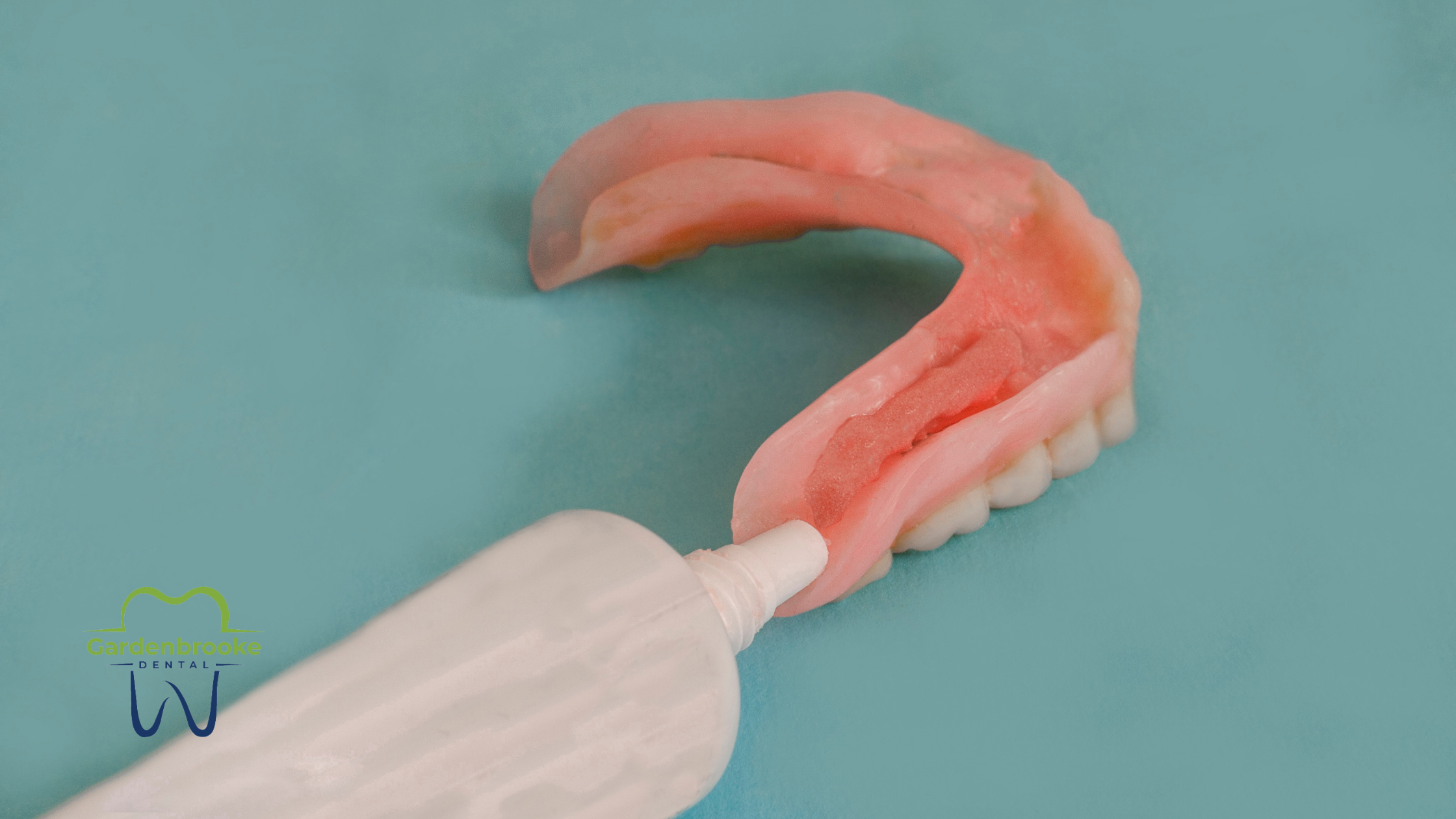
Many patients may not realize that dental adhesive failures can have significant consequences for their oral health. Understanding the scientific factors contributing to these failures can empower dental professionals to make informed clinical decisions.
In this blog post, you will learn about the various reasons adhesives may fail, including improper application techniques, material incompatibility, and the biological environment of your mouth. By grasping these concepts, you can better understand how to avoid potential pitfalls and ensure the longevity of your dental work.
Unraveling the Chemistry: How Dental Adhesives Bond
Bonding to dentin is particularly challenging due to its higher organic content and tubular microstructure, which requires adhesives to penetrate and interact effectively with the dentinal collagen matrix.
The integration of silane-treated fillers enhances the bonding surface area, thus improving the overall bond strength. Your understanding of this chemistry can help you grasp why failures may occur when these bonds weaken over time due to various factors such as moisture, thermal changes, or mechanical stress.
“Achieving successful dentin bonding requires meticulous technique, including proper moisture control and the use of primers that enhance adhesive penetration into the collagen matrix.” – Dr. Gardenbrooke Dental, at 275 Gardenbrooke Trail, Brampton, ON
The Role of Resin and Monomers in Adhesion
Resins play a vital role in the bonding of dental adhesives, with monomers serving as the building blocks that interact at the molecular level. However, excessive HEMA content may increase water sorption, potentially leading to hydrolytic degradation and reduced bond durability over time.
The choice of resin and how it’s applied can create a strong, durable bond that withstands the cyclic forces of mastication, ultimately affecting the longevity of your dental work.
Environmental Factors Influencing Adhesive Performance
The performance of dental adhesives can be significantly impacted by environmental conditions. Factors such as temperature variations, humidity, and exposure to disinfectants can undermine the integrity of the adhesive bond.
“Even small adjustments in the clinical environment, like using a humidity monitor or ensuring adhesives are stored at recommended temperatures, can make a significant difference in the longevity of a bond.” – Dr. Gardenbrooke Dental, at 275 Gardenbrooke Trail, Brampton, ON
For example, high humidity can promote hydrolytic degradation, weakening the adhesive bond over time. To maximize the effectiveness of dental adhesives, maintaining a controlled environment during application is crucial.
- Temperature fluctuations can weaken adhesive bonds.
- Humidity levels affect the moisture content of bonding surfaces.
- Exposure to disinfectants can compromise adhesive strength.
- Sufficient curing time is crucial for maximum bond strength.
- Professional application technique is vital for long-lasting results.
Extreme temperature changes affect bonding and play a role in how well the adhesive cures. If the curing temperature is suboptimal, incomplete polymerization may occur, weakening the adhesive interface, resulting in a weaker bond.
Likewise, disinfectants used during clinical procedures can leave residues on laminated surfaces, further impacting adhesion strength.
- Environmental conditions should be controlled during restorative procedures.
- Proper storage of adhesive materials is vital for preserving their efficacy.
- Monitoring humidity levels during application is crucial for success.
- Patient habits, such as smoking or excessive drinking, can impact bonding longevity.
- Educating yourself on the adhesive materials used may influence treatment choices.
Anatomy of Adhesive Failure: Key Contributing Factors
Multiple elements contribute to dental adhesive failures, which can compromise the longevity of your restorations. These factors include
- Surface contamination
- Improper isolation during the bonding process
- Inadequate polymerization
- Moisture control issues
- Material incompatibility
Knowing these aspects can help you evaluate the effectiveness of adhesive applications and make informed decisions regarding dental treatments.
Surface Contamination and Its Impact on Bond Strength
Surface contamination, caused by saliva, blood, or residual substances, can significantly weaken the bond between the adhesive and tooth structure. Even microscopic layers of these contaminants obstruct direct contact, inhibiting optimal adhesion.
As a result, bond strength diminishes, increasing the likelihood of adhesive failure and eventually leading to restoration breakdown.
Polymerization Issues and Incomplete Curing
Inadequate polymerization during the curing process plays a major role in adhesive failure. If light exposure is insufficient or the chosen adhesive is incompatible with the light source, the resulting bond may not achieve its full strength.
“A well-calibrated curing light tailored to the adhesive’s wavelength requirements is essential for reliable polymerization and reducing the risks of bond failure.” – Dr. Gardenbrooke Dental, at 275 Gardenbrooke Trail, Brampton, ON
Incomplete curing leaves the adhesive vulnerable to mechanical and environmental stresses, which can ultimately lead to debonding of the restoration.
Modern LED curing lights are preferred due to their emission of specific wavelengths that match adhesive photoinitiators, ensuring more effective polymerization. Research indicates that proper curing protocols—including specific light wavelength, intensity, and exposure duration—are critical to achieving optimal adhesive strength.
Uneven curing can result in weak areas across a restoration, making it susceptible to damage from everyday wear or significant forces encountered during chewing. Understanding these risks helps in choosing effective curing protocols and materials, enhancing the chances for successful long-term restorations.
The Influence of Clinical Practices on Adhesive Integrity
Clinical techniques and practices significantly impact the integrity of dental adhesives. Factors such as procedure timing, material handling, and operator experience can alter the bond strength over time.
Ensuring optimal conditions during adhesive application is necessary to achieving long-lasting results. Variability in clinical practice can lead to inconsistent outcomes, potentially compromising the success of treatments.
A thorough understanding of your methods and their implications is necessary for enhancing adhesive performance and patient satisfaction.
Techniques of Application: Manual vs. Automation
While manual application remains the standard practice in most Canadian dental clinics, emerging automated systems may offer improved consistency in adhesive delivery in the future.
In contrast, automated application systems can deliver more precise amounts and even layers of adhesive, reducing human error. The consistency offered by automated systems can translate to improved clinical outcomes, particularly in complex procedures where uniformity is paramount.
The Role of Moisture Control During the Application Process
Moisture control plays a pivotal role in the successful bonding of dental adhesives. A dry field is necessary for many bonding systems, as moisture can interfere with the polymerization of adhesives and compromise bond strength.
Controlling moisture can involve techniques such as using rubber dams or suction devices to minimize salivary contamination. When moisture levels are appropriately managed, the adhesive can achieve optimal contact with the dental substrate, ensuring a robust bond that lasts.
Effective moisture control not only enhances the bond strength of dental adhesives but also reduces the risk of postoperative sensitivity and failures. Studies indicate that even slight moisture contamination can lead to diminished bonding capacity, with bond strengths dropping by as much as 30% in some instances.
Using isolation techniques, such as rubber dams, can significantly mitigate this risk. Additionally, integrating moisture-reducing agents or desiccants into your workflow can further assist in maintaining a dry environment, ensuring that the adhesive performs at its best.
Ongoing Research: Innovations to Combat Adhesive Failures
Innovations in dental adhesive technology promise to address existing failure rates and improve the longevity of dental restorations. Researchers are actively exploring new materials and techniques that could enhance bonding strength and mitigate environmental influences that compromise adhesive performance.
Emphasis is being placed on tailoring adhesives to match the specific demands of various dental applications, ensuring a more robust connection between tooth structures and restorative materials.
Developing New Formulations for Enhanced Durability
New formulations are being designed to provide greater durability and resistance to wear over time. These enhanced adhesives often incorporate advanced chemical compounds that promote better adhesion under diverse oral conditions.
By optimizing the balance of hydrophobic and hydrophilic properties, these formulations aim to create a stable bond that withstands the stress of chewing and thermal fluctuations.
The Impact of Nanotechnology on Adhesive Performance
Nanotechnology has emerged as a transformative approach in developing dental adhesives, offering innovative solutions to performance challenges. By integrating nanomaterials, researchers are enhancing the mechanical properties and bonding capabilities of adhesives.
Many adhesive formulations based on nanotechnology show promise, but they are still in the research stage and have not yet gained widespread use in Canadian dental offices.
Nanoparticles increase the surface area and enhance mechanical interlocking between the adhesive and tooth substrate.
The application of nanotechnology in adhesive development allows for tailored solutions that address specific failure modes. For instance, nanoparticles can enhance the viscosity and flow characteristics of adhesives, ensuring that they fill microscopic gaps effectively.
Additionally, nanostructured materials can improve the resistance to hydrolysis and biological degradation, significantly extending the effective lifespan of dental restorations. Current studies are focused on identifying optimal nanomaterials that not only enhance adhesive performance but also maintain biocompatibility and safety for patients, ensuring that innovations translate effectively into clinical practice.
Real-world Implications: Economic and Clinical Ramifications
Adhesive failures damage your clinic’s reputation and result in significant economic consequences for both practitioners and patients. In a world where patient trust and satisfaction are paramount, repeated failures can lead to decreased patient retention and an overall decline in practice revenue.
This cycle ultimately affects your ability to invest in new technologies or methods aimed at improving patient care.
The Financial Cost of Adhesive Failure in Dentistry
When adhesive failures occur, the financial burden can escalate quickly. You may end up handling multiple corrective procedures, with each patient requiring new materials and additional appointments.
According to industry reports, managing complications from adhesive failures can account for a significant portion of a dental clinic’s overhead, particularly when retreatments or material costs are involved. In the worst cases, practices may need to allocate even more resources to regain patient trust and satisfaction.
Patient Outcomes and the Long-term Consequences of Adhesive Issues
Persistent adhesive failures can lead to long-lasting complications for patients, impacting their oral health and overall well-being. Inadequate bonding can result in recurrent decay and periodontal issues, necessitating more extensive and costly treatments than the original procedure.
For you, maintaining a commitment to adhesive quality is vital not only for clinical success but also for fostering long-term patient relationships.
Managing patient outcomes becomes particularly challenging when adhesive failures lead to further complications. For example, a patient who experiences adhesive failure may be subjected to retreatment for decay or even endodontic procedures due to compromised tooth structure.
Over time, these repeated interventions can wear on patient trust and compliance, increasing the likelihood of missed appointments or seeking alternative providers. Additionally, patients may find themselves in a cycle of treatment that could otherwise be avoided, ultimately worsening their overall dental health and driving up costs associated with their care.
Ensuring adhesive integrity mitigates these risks and paves the way for more positive long-term outcomes in your practice.
Summing up
To conclude, understanding the science behind dental adhesive failures can enhance clinical approaches to adhesive dentistry. Recognizing factors such as moisture control, surface preparation, and material compatibility enables clinicians to make informed choices that minimize the risk of bond failures.
Staying informed about advancements in dental adhesive technology and consulting with licensed dental professionals can help ensure optimal patient outcomes.
Concerned About a Loose Filling or Restoration? We Can Help.
If you suspect a problem with your dental adhesive or have questions about the longevity of your fillings, crowns, or veneers, don’t wait. The team at Gardenbrooke Dental offers expert evaluations and high-quality restorative care to ensure your smile stays secure and healthy.
Visit us at 275 Gardenbrooke Trail, Brampton, ON, or contact us today to schedule your appointment. Your long-term oral health starts with the right support.