
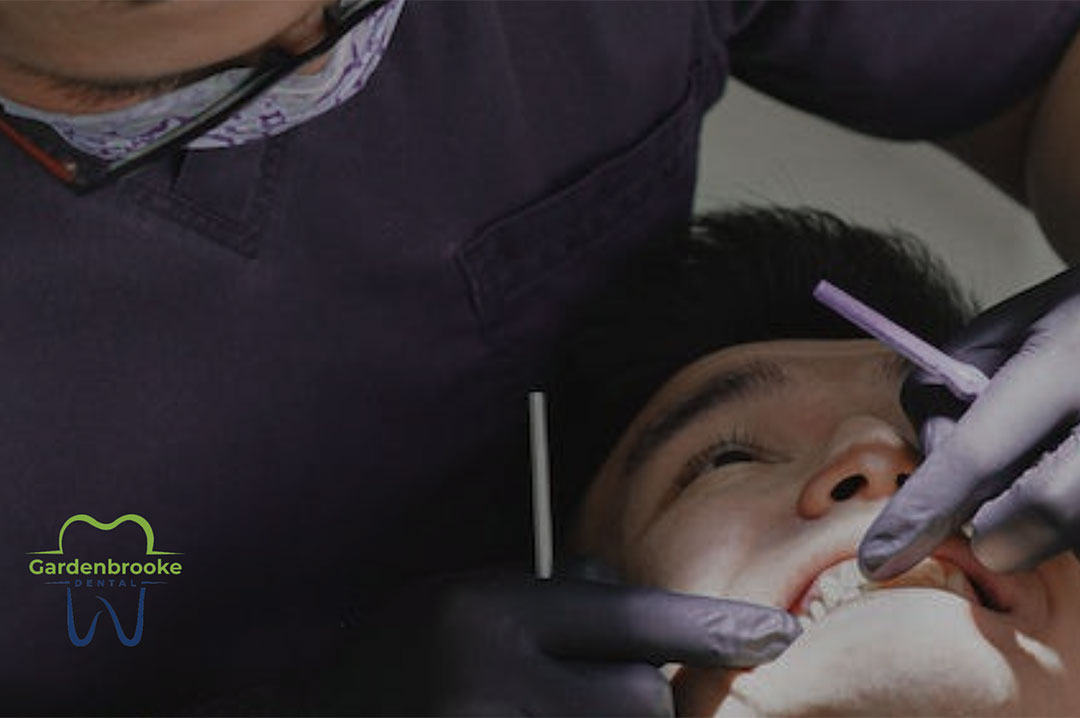
Overall, your oral health is more closely linked to your overall health than you might think. Research has shown that poor oral hygiene can lead to serious health issues beyond just cavities and gum disease. In this article, we will explore the intricate connection between your oral health and your overall well-being, and how taking care of your teeth and gums can contribute to a healthier you.
Key Takeaways:
- Oral Health is Linked to Overall Health: Research shows that maintaining good oral health can contribute to better overall health. Poor oral hygiene can lead to various health issues such as heart disease, diabetes, and respiratory infections.
- Preventive Measures Are Key: Regular dental check-ups, daily brushing and flossing, and a healthy diet can help prevent oral health problems and reduce the risk of developing chronic diseases.
- Importance of Proper Dental Care: Taking care of your teeth and gums is not only important for a healthy smile but also for your overall well-being. It is necessary to prioritize oral health as part of your overall healthcare routine.
The Mouth-Body Connection
The Gateway to Overall Health
A healthy mouth is not only important for a sparkling smile but also plays a crucial role in your overall health. Your mouth acts as the gateway to your body, and maintaining good oral hygiene can help prevent certain systemic diseases. When you neglect your oral health, you are not just putting your teeth at risk; you are also potentially compromising your overall well-being.
How Oral Bacteria Affect the Body
With every brush and floss, you are not just maintaining oral hygiene; you are also keeping harmful bacteria in check. Oral bacteria can sneak into your bloodstream through inflamed gums, leading to systemic inflammation that has been linked to various health conditions such as heart disease, diabetes, and respiratory issues. This connection highlights the importance of taking care of your oral health to safeguard your overall health.
For instance, research has shown that the same bacteria found in periodontal disease are present in the plaques that clog arteries in heart disease. This correlation underscores how neglecting your oral health can have far-reaching consequences beyond just tooth decay and gum disease. By prioritizing your oral hygiene, you are not only preserving your smile but also taking a significant step towards promoting your overall well-being.
The Impact of Oral Health on Systemic Diseases
One of the most fascinating aspects of oral health is its connection to systemic diseases. Your oral health can have a significant impact on various aspects of your overall health, including heart disease and stroke.
Heart Disease and Stroke
Research has shown that there is a link between gum disease and heart disease. The bacteria present in gum disease can enter the bloodstream and affect the heart. Inflammation from gum disease has been linked to the buildup of plaque in the arteries, which can increase the risk of heart attacks and strokes.
Diabetes and Oral Health
To further emphasize the connection between oral health and overall health, it’s vital to understand the relationship between diabetes and oral health. People with diabetes are more prone to gum disease, which can in turn make it harder to control blood sugar levels. Taking care of your oral health is crucial in managing diabetes and overall health.
Health professionals recommend that individuals with diabetes pay extra attention to their oral health, as maintaining healthy gums and teeth can help in managing the condition effectively. Regular dental check-ups, good oral hygiene practices, and controlling blood sugar levels are key in preventing complications.
Respiratory Infections and Pneumonia
The connection between oral health and respiratory infections such as pneumonia is significant. Poor oral health can lead to the growth of bacteria in the oral cavity, which can be inhaled into the lungs and cause infections. This emphasizes the importance of good oral hygiene in preventing respiratory illnesses.
The bacteria from gum disease can travel through the bloodstream and reach the lungs, increasing the risk of respiratory infections and conditions like pneumonia. Maintaining good oral health habits can help reduce the risk of such infections and promote overall well-being.
The Role of Nutrition in Oral Health
A Balanced Diet for Healthy Teeth and Gums
All your body’s systems depend on the nutrition you provide, and your oral health is no exception. A balanced diet that includes a variety of fruits, vegetables, whole grains, lean proteins, and healthy fats is not only beneficial for your overall health but also plays a crucial role in maintaining healthy teeth and gums. Nutrients like calcium, phosphorus, vitamin C, and vitamin D are crucial for strong teeth and tissues in the mouth.
The Importance of Vitamin D and Calcium
To maintain optimal oral health, you must pay attention to your intake of vitamin D and calcium. These nutrients work together to promote strong teeth and bones. Vitamin D helps your body absorb calcium, which is crucial for the remineralization of your teeth and maintaining the integrity of your jawbone. Including sources of vitamin D like fatty fish and fortified dairy products, along with calcium-rich foods such as leafy greens, almonds, and dairy, can help support your oral health.
Oral health is closely linked to overall health, and maintaining a nutritious diet is key to supporting both. By ensuring you consume adequate amounts of crucial nutrients like vitamin D and calcium, you can promote strong teeth, healthy gums, and overall wellness.
Sugar Consumption and Its Effects on Oral Health
Oral health can be significantly impacted by your sugar consumption. The bacteria in your mouth feed on sugars, producing acids that can erode enamel and lead to tooth decay. Frequent consumption of sugary foods and drinks can create an acidic environment in your mouth, increasing the risk of cavities and gum disease. Limiting your intake of sugary treats and opting for water or unsweetened beverages can help protect your oral health.
Importance of maintaining a healthy diet cannot be stressed enough when it comes to your oral health. By making conscious choices to include nutrient-rich foods in your meals and reducing your sugar intake, you can significantly improve the health of your teeth and gums, ultimately contributing to your overall well-being.
The Link Between Gum Disease and Chronic Conditions
Periodontal Disease and Cardiovascular Health
For a long time, the mouth was considered a separate entity from the rest of the body, but recent research has shown a clear connection between gums and other chronic diseases. On the topic of periodontal disease and cardiovascular health, studies have suggested that the bacteria involved in gum disease can enter the bloodstream and contribute to the development of cardiovascular problems. Inflammation caused by gum disease may also play a role in the hardening of the arteries, increasing the risk of heart attacks and strokes.
The Connection to Alzheimer’s and Dementia
Between gum disease and Alzheimer’s and dementia, there is a surprising link that researchers are exploring. Some studies have found that the bacteria responsible for gum disease can travel from the mouth to the brain, potentially contributing to the development of Alzheimer’s disease. Inflammation caused by gum disease may also play a role in the progression of neurodegenerative disorders like dementia.
This connection emphasizes the importance of oral hygiene not only for your teeth and gums but also for your overall brain health. Taking care of your oral health may have far-reaching benefits for your cognitive function and memory as you age.
Gum Disease and Pregnancy Complications
Complications such as gum disease can significantly impact a woman’s pregnancy. Research has indicated that pregnant women with gum disease may be at higher risk for preterm birth and low birth weight babies. Hormonal changes during pregnancy can make gums more susceptible to inflammation and infection, increasing the likelihood of developing gum disease.
Alzheimers
The Psychological Impact of Oral Health Issues
The Effects of Tooth Loss on Self-Esteem
SelfEsteem To maintain good self-esteem and confidence, it is crucial to take care of your oral health. Tooth loss can have a significant impact on how you perceive yourself. The gaps in your smile can make you feel self-conscious and reluctant to smile or engage in social interactions. This can lead to a decline in self-esteem and have a negative impact on your overall well-being.
Anxiety and Depression Related to Oral Health
Health Your oral health can also affect your mental health. Anxiety and depression can be closely related to oral health issues such as tooth decay, gum disease, or chronic bad breath. The fear of judgment or embarrassment about the condition of your teeth can lead to heightened anxiety levels and feelings of sadness.
Oral It is crucial to address any oral health concerns to prevent them from affecting your mental well-being. Seeking professional help and taking steps to improve your oral hygiene can significantly reduce feelings of anxiety and depression related to your oral health.
The Social Consequences of Bad Breath and Tooth Decay
On Bad breath and tooth decay can have significant social consequences. These issues can make you feel self-conscious about speaking or being close to others, affecting your personal and professional relationships. The fear of being judged or ostracized because of your oral health can lead to isolation and a sense of loneliness.
Depression Addressing bad breath and tooth decay through regular dental check-ups and maintaining good oral hygiene practices can help you feel more confident in social situations and prevent potential social consequences associated with these oral health issues.
The Importance of Regular Dental Check-Ups
Unlike other routine check-ups, regular dental visits are often overlooked, but they play a crucial role in maintaining not only your oral health but also your overall well-being. By prioritizing these check-ups, you can catch potential issues early on and prevent more serious problems down the line.
Preventive Care and Early Detection
Early preventive care and detection are key components of regular dental check-ups. During these visits, your dentist can spot signs of problems such as cavities, gum disease, or oral cancer before they progress. By addressing these issues early, you can avoid more extensive treatments and potentially save both your teeth and your money.
Identifying Underlying Health Issues Through Dental Exams
Exams conducted during dental check-ups can reveal more than just issues with your teeth and gums. Your dentist can also identify underlying health problems by examining your mouth, such as diabetes, osteoporosis, and even heart disease. This highlights the vital role that oral health plays in your overall health and the importance of regular dental visits in early detection.
Dental examinations not only help maintain your oral health but also serve as a window to your overall well-being. Your dentist can uncover symptoms in your mouth that may indicate potential health issues elsewhere in your body, making these check-ups even more crucial for your overall health.
The Role of Dental Hygienists in Maintaining Oral Health
Detection and prevention are also significant aspects of the role dental hygienists play in maintaining your oral health. These professionals work alongside your dentist to clean your teeth, provide oral hygiene education, and spot any concerning signs during your check-up. Their thorough cleanings and insights into your oral care routine can significantly impact the health of your teeth and gums.
Hygienists are valuable members of your dental care team and can provide personalized advice on how to improve your oral hygiene habits. By following their guidance and attending regular dental check-ups, you can ensure that your oral health remains in top condition, ultimately benefiting your overall well-being.
To wrap up
The connection between your oral health and overall health is undeniably strong. Taking care of your teeth and gums not only helps prevent oral health issues such as cavities and gum disease but can also have a positive impact on your overall well-being. By maintaining good oral hygiene habits, you are not only keeping your smile bright but also reducing the risk of developing serious health conditions such as heart disease, diabetes, and respiratory infections.
So, the next time you brush your teeth or schedule a dental check-up, remember that you are not just taking care of your pearly whites but also investing in your overall health. Small steps in your oral hygiene routine can go a long way in improving your quality of life and reducing the risk of various health problems. Be mindful of, a healthy mouth equals a healthier you!